Picture yourself pushing off from a quiet shoreline as the sun warms the water and the day slows to lake time. If Esplanade Lake Club is on your list, you likely want clear answers on what boating looks like on Lake Como and how the community manages access. In this guide, you’ll learn what types of watercraft are typically allowed, how launches and storage often work in private-lake communities, and the due diligence steps that help you buy with confidence. Let’s dive in.
Lake overview and access
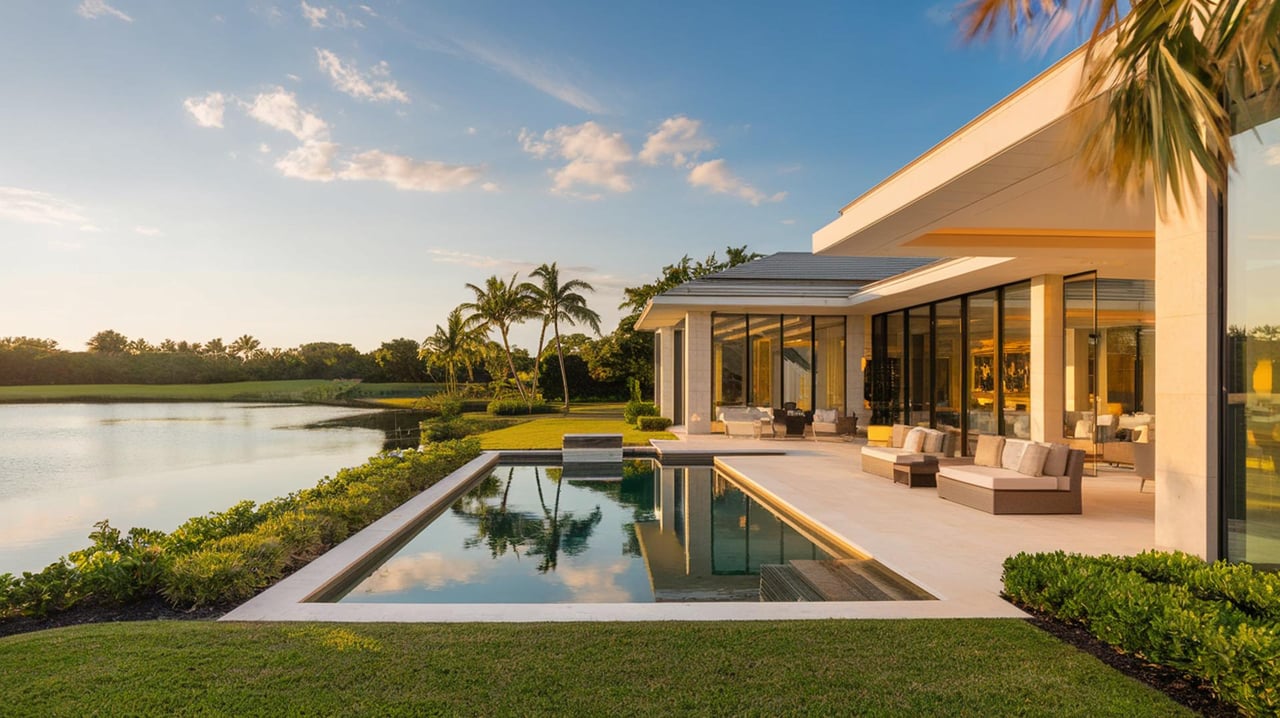
Esplanade Lake Club is centered on a private, man-made lake commonly referred to as Lake Como. It was once a rock quarry. The Lake Use Committee sets rules for boating, docks, and hours of use. There are also restriction by the Community Development District. Because community-specific policies can vary, connect with the Waterfront Lifestyle Group specialists to learn the neighborhood guidelines for Esplanade Lake Club.
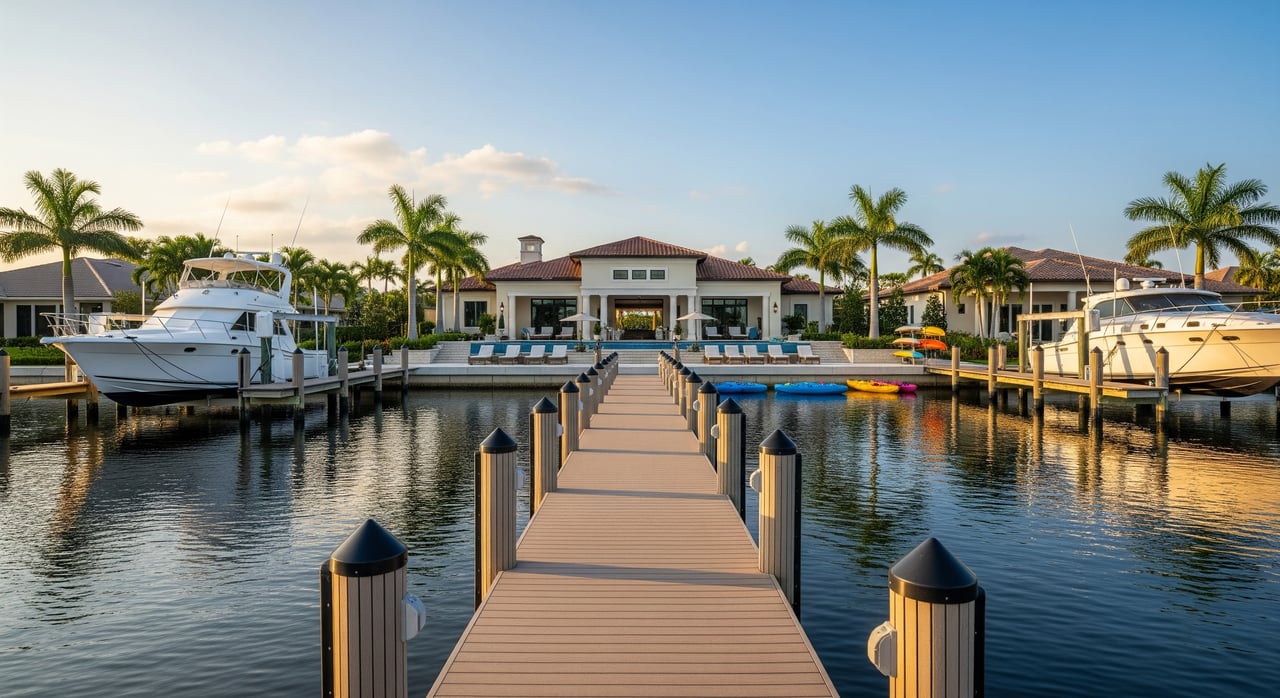
Boating is limited to community launch points and docks. Most lakefront lots have or can have private docks, you will still need to follow HOA architectural guidelines and any county or state permit requirements. Ask the Waterfront Lifestyle Group for the written rules so you understand what the type of dock you may have and specific guidelines.
Allowed watercraft: what to expect
State boating laws apply to all vessels in Florida, even on private lakes. Review the Florida Fish and Wildlife Conservation Commission’s guidance on boating safety requirements and vessel registration rules as part of your planning. Florida statutes in Chapter 327 cover navigation, equipment, and operator responsibilities.
Esplanade Lake Club allows motorized boats up to 23' including the platform. Residents are allowed to register with the association and own up to two motorized boats at their backyard dock as of 2025. A community launch is available for homeowners who do no have a dock, however, the boat will need to be stored inside the homeowner's garage or at an off-site location. May residents enjoy pontoon boats, water ski and wake surfing boats. There are no personal watercraft- jet skis or waver runners permitted on the lake at Esplanade Lake Club.
Treat these as guidelines. Always request the community’s written boating policy to confirm exactly what is allowed at Esplanade Lake Club.
Launch points and storage
Esplanade Lake Club provides organized access to the lake for residents-only.
- A non-trailer launch for kayaks and paddleboards, plus storage racks.
- A small community dock managed by the club for resident use.
- A full trailer-accessible ramp within the community.
HOAs often restrict boat and trailer storage in driveways and on lots. You will need to use off-site storage. Before you buy, ask about launch locations, hours, reservation rules, and any storage fees.Trailers are prohibited on-site, confirm where you can store them and how access works during peak season.
Private docks and permits
Esplanade Lake Club allows private docks with strict standards on size, materials, and placement.
If your homesite allows for a waterfront dock, your approval path will include:
- HOA architectural review and adherence to design standards.
- Local permits through Lee County permitting and zoning.
- State-level review if there are environmental considerations through the Florida Department of Environmental Protection.
Clarify maintenance and insurance responsibilities early. Many HOAs require homeowners to carry liability coverage for private docks, and you may be responsible for repairs after storms. Collect sample contractor bids to understand costs before you commit.
Lake activities and safety
You can usually enjoy low-impact activities such as kayaking, paddleboarding, and catch-and-release fishing on community lakes, subject to posted rules. Higher-impact sports like wakeboarding and wake surfing are allowed, howeeve, you must abide by the no-wake zones in the canals to prevent wakes that may damage neighbors docks and boats, damage the shoreline and disturb neighbors.
Safety rules apply everywhere in Florida. Review the FWC’s guidance on boating safety and education to confirm life jacket, lighting, and operator requirements. If you plan to let younger family members operate a vessel, check age and boater-education card rules before you launch.
Environmental care and lake health
Man-made community lakes are sensitive to erosion, nutrient runoff, and invasive species. That is why many HOAs set quiet hours, restrict the size of boats, and water-quality programs. You can support a healthy lake by rinsing gear before launching, using minimal-wake speeds, and following any community catch-and-release or fertilizer guidelines.
To stay informed on broader water quality issues, follow the Florida Department of Health’s updates on algal bloom advisories. If you notice posted signs or lake treatments, ask the HOA for the latest monitoring reports and maintenance schedules.
Beyond the lake: area boating
If you own a larger or gas-powered boat, you will likely rely on public ramps and marinas in Lee County for river and gulf access. The county maintains ramps that connect to the Caloosahatchee River, Estero Bay, and regional waterways. Start with Lee County Parks & Recreation’s boat ramps to map options near your home and storage site.
Confirm whether Lake Como connects to any public waterways. In many communities, private lakes are isolated, which means you cannot navigate directly to the river or bay. If that is the case, plan your boating life around a combination of on-lake recreation and nearby public access for bigger-water days.
Buyer due diligence checklist
Request these documents before or during your tour:
- HOA bylaws, covenants, and all boating-related rules or amendments.
- Maps showing lake ownership, any community docks, ramps, and kayak launches.
- Architectural standards for docks and shoreline improvements.
- Lake management program details: aeration, fish stocking, water-quality testing, and treatment history.
- Fee schedules for lake club access, storage, and special assessments.
- Insurance requirements for dock owners and users of shared facilities.
On-site, verify the following:
- Exact access points, signage, posted hours, and any reservation system.
- Condition of docks, launches, and storage racks.
- Evidence of erosion control and aeration devices.
- Neighboring homes’ dock presence and observed boating patterns.
For a primer on standard HOA practices and why full documents matter, see the Community Associations Institute’s guidance on HOA governance.
How we help
Choosing the right lake community is about more than views. It is about how you want to boat, what you can store, and the rules that shape your day-to-day. As a boutique team specializing in waterfront living across Lee and Collier counties, Lisa Mishler and The Waterfront Lifestyle Group can guide you through the technical details that affect your lifestyle, from allowable watercraft and dock feasibility to storage and access planning.
If you are considering Esplanade Lake Club, Lisa Mishler and her team can help you secure the right documents, interpret the rules, and compare options across nearby communities. Reach out to the Waterfront Lifestyle Group to align the lake experience you want with the property that fits it best.
FAQs
What types of boats are typically allowed on private lakes like Esplanade Lake Club?
- Non-motorized boats, and motorized boats up to 23' including the platform. No personal watercraft ie; jet skis or wave runners are permitted.
Do Florida boating laws apply on private lakes in Lee County?
- Yes. You must follow state rules for registration, safety gear, and operator requirements; review the FWC’s boating safety requirements and vessel registration rules.
Can I build a private dock behind a lakefront home at Esplanade Lake Club?
- It depends on ownership and HOA rules; but docks are permitted on most waterfront lots, you will need approvals from the HOA, Lee County permitting and zoning
Where can I launch a larger, gas-powered boat near Esplanade Lake Club?
- Use public facilities managed by Lee County; start with Parks & Recreation boat ramps to find the nearest ramp and parking options.
How do HOAs usually handle boat and trailer storage?
- Many HOAs restrict on-site storage and require off-site facilities or a designated lot; request written storage rules, fees, and any driveway restrictions before you buy.
Who sets quiet hours and wake rules on community lakes?
- The HOA typically sets hours, wake limits, and enforcement procedures, but those rules work alongside state navigation laws in Florida Statutes Chapter 327.