Thinking about renting out a Punta Gorda canal home or condo, or buying one as an income property? The difference between a 30-day minimum and a 6-month minimum can change your entire plan. You want the freedom to enjoy the waterfront lifestyle while making smart, compliant choices that protect your investment. This guide explains how rental policies typically work in Charlotte County’s gulf-access communities, how they affect seasonal use and returns, and exactly what to verify before you buy or list. Let’s dive in.
Rental rules you’ll encounter in Punta Gorda
Minimum lease terms
Many waterfront associations set a minimum lease term. Common minimums include 30, 60, or 90 days, or longer periods such as 6 or 12 months. Shorter minimums can capture strong winter demand but come with more turnover and oversight. Longer minimums create steadier income and lower management intensity, but they eliminate high-season nightly pricing.
Percentage caps on rentals
Some associations cap the share of units that can be leased at one time. Caps often fall in the single digits to around 20 percent, though they vary widely. A binding cap can create waitlists, limit the ability to start renting immediately, and constrain portfolio growth inside the community. Always ask what percentage is currently leased and whether the cap is active.
Owner-occupancy and deed restrictions
Certain communities require an owner to occupy the property for a minimum period each year before leasing is allowed. Others limit how often you can lease, such as only once per year. These rules keep turnover down and can push owners toward longer-term tenants.
Short-term rental definitions and rules
Associations and local governments may define short-term rentals as stays under a set number of days or months. Restrictions can include registration, a local 24/7 contact, guest occupancy and parking rules, and specific advertising standards. Many gulf-access neighborhoods with shared docks or quiet canals are more likely to restrict short-term rentals.
Boat slips, docks and marina policies
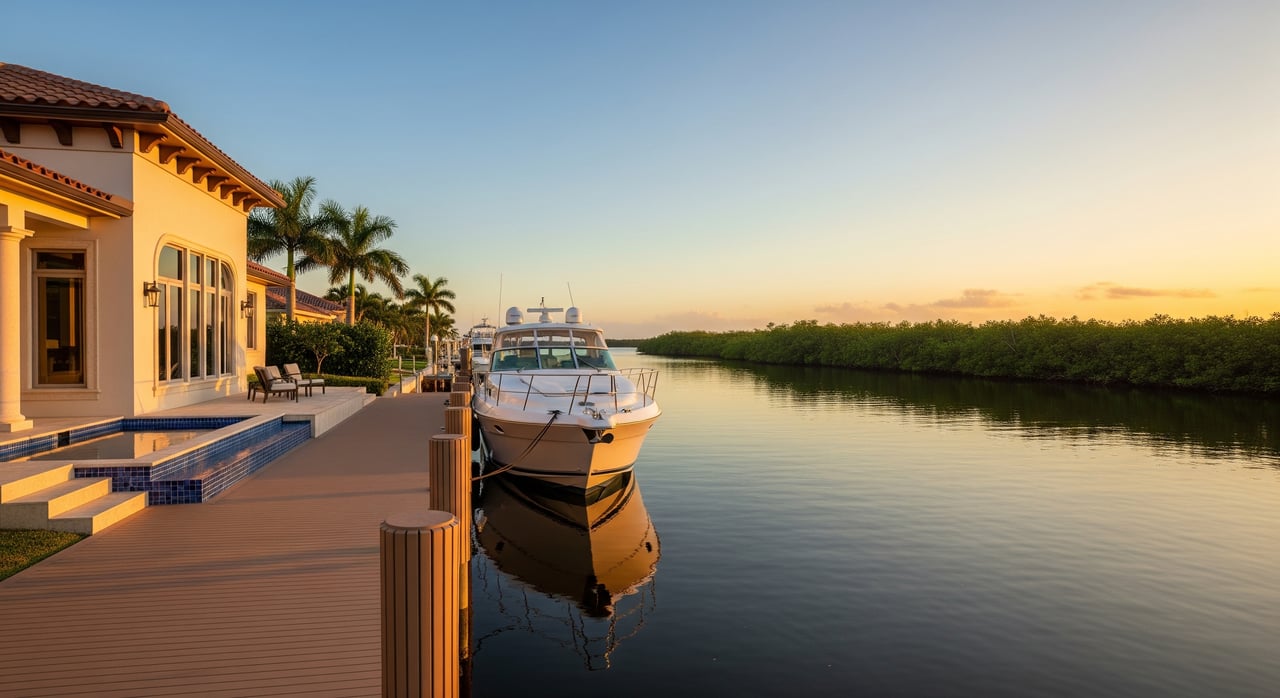
If boating access is your priority, look closely at slip assignment and use. Slips may be deeded, assigned, tied to a unit, or available via waitlist or separate rental. Communities can limit guest slip usage, transient stays, and boat size. Bridge clearance, tidal access, and channel depth are practical factors that also affect rental appeal for boat owners.
Approvals, compliance and timing
Association and management approvals
Expect a formal application process before any tenant moves in. Typical items include a completed application, background or credit checks, a copy of the lease, valid ID, and administrative fees. Boards or managers often need 30 to 60 days to process approvals, so plan your leasing calendar accordingly. Some communities require a brief orientation or written acknowledgement of rules.
Insurance and indemnity
Many associations require owners to maintain specific liability coverage, and some request that the association be named as an additional insured. If you plan to operate short-term rentals, you may need specialized coverage or landlord insurance. Confirm the required limits and proof-of-insurance process before marketing the property.
Local requirements: city vs county
Compliance can vary depending on whether your property sits inside Punta Gorda city limits or in unincorporated Charlotte County. Owners may need a Business Tax Receipt, to collect and remit tourist development taxes for taxable stays, and to meet any local short-term rental registration or occupancy rules. Always confirm current requirements with the appropriate jurisdiction.
How policies shape income and use
Revenue drivers
What you can earn depends on the lease terms you are allowed to offer. Shorter minimums can capture premium winter pricing if permitted. Caps or a 90-day minimum can reduce gross revenue potential compared with weekly or monthly stays. If a boat slip is included or easily available, that can increase demand and rent in gulf-access communities.
Expense drivers
HOA or condo fees, insurance for wind and flood, and potential short-term rental insurance all impact net income. Higher turnover increases cleaning, linens, marketing, and management costs. If a local manager is required for short-term rentals, that fee should be factored into your pro forma. Sales tax and tourist development tax apply to many short stays.
Seasonality in SWFL
Punta Gorda and Charlotte County experience pronounced winter demand, especially from November through April. If your association allows 30 to 90 day leases, you may be positioned to capture strong seasonal revenue. Stricter rules tend to push owners toward annual tenants or personal use. Weather risk can affect shoulder-season bookings and operating costs.
Liquidity and resale
Communities with stricter rental policies can appeal to buyers who want a quieter residential feel, which may support resale values among owner-occupants. More flexible short-term policies can attract investors but may deter some lifestyle-focused buyers. Approval complexity and caps are typically disclosed during sales and can influence buyer demand.
Due diligence checklist for buyers and investors
Documents to request early
- Declaration or Master Deed and all amendments
- Bylaws, Rules and Regulations, rental policy, and any marina or slip policies
- Meeting minutes from the past 12 months for rule changes or enforcement items
- Estoppel letter for closings, plus fee schedule and insurance certificate
- Current rental roster and historical rental income if applicable
- Budget, reserve study, and any special assessment history
- Slip assignment records and waiting list policies
Key questions to ask
- What is the minimum lease term, and are there blackout periods?
- Is there a rental cap, and what percentage of units is currently leased?
- How long does lease approval take, and are there orientation requirements?
- Are short-term rentals allowed, and are there extra registrations or fees?
- Do you require a local 24/7 contact or manager for short-term rentals?
- What insurance limits do owners and tenants need to carry?
- Are any rental rule changes or related litigation under consideration?
- How are boat slips assigned, transferred, or rented to owners and tenants?
Steps if you plan to rent
- Obtain all application forms and confirm processing timelines and fees.
- Include the association’s required rules and indemnities in your lease.
- Register for any required local tax accounts and permits before advertising.
- Set up guest registration, parking passes, and any required signage.
Negotiation and contract tips
- Add a contingency to review association documents and cancel if rental rules conflict with your plan.
- Ask the seller for rental history and any notices of violations.
- If an assessment or rule change could reduce income, consider negotiating an escrow or price concession.
Red flags to watch
- Special assessments tied to litigation or reserves that strain cash flow
- Active proposals to tighten rental rules
- A high percentage of units already leased up to the cap
- Association insurance with high deductibles that shift costs to owners
Scenario planning: align goals with policy
Seasonal use with some income
If you want winter occupation and some rental income, communities that allow 30 to 90 day minimums can work well. Expect more oversight and higher turnover costs. Verify cap status and approval timelines before setting seasonal rates.
Steady income with less turnover
If your priority is predictable cash flow, 6 or 12 month minimums support annual tenants and lower operating intensity. You will not capture weekly or monthly premium pricing, but you may benefit from stability.
Boater-first priorities
If a private or assigned slip is essential, confirm slip availability, transfer rules, and waitlist posture in writing. Bridge clearance and boat size rules can affect both your personal use and your rental demand.
A simple return framework
- Gross rent = Rate × Occupied days or months
- Operating expenses = HOA/condo fees + insurance + management + utilities + maintenance + taxes and fees + vacancy
- Net operating income = Gross rent − Operating expenses
- Cash-on-cash = NOI after debt service ÷ Cash invested
The bottom line
Rental policies in Punta Gorda and greater Charlotte County vary by community and can change your investment picture. By understanding lease minimums, caps, approval timelines, and boating rules, you can choose the right association for your goals and avoid surprises. Verify everything in writing with the association and the correct local jurisdiction before you commit.
If you want help aligning your lifestyle goals and investment strategy across Southwest Florida’s waterfront neighborhoods, reach out to the team at Waterfront Lifestyle Group. We pair boating and community expertise with development-aware guidance to help you buy, sell, or position your property with confidence.
FAQs
What are typical minimum lease terms in Punta Gorda waterfront communities?
- Many associations use 30, 60, or 90 day minimums, while others require 6 or 12 months; confirm the exact rule in the community you are considering.
Are short-term rentals allowed in Charlotte County gulf-access neighborhoods?
- Policies vary by association and location; some allow shorter stays with registration and strict rules, while others prohibit short-term rentals entirely.
Do I need permits or to pay taxes for short stays in Punta Gorda?
- You may need a Business Tax Receipt and to collect and remit tourist development and sales taxes for taxable rentals; requirements differ inside city limits versus unincorporated areas.
How long does HOA or condo approval take before a tenant can move in?
- Many boards or managers ask for 30 to 60 days to process rental applications, so plan move-in and marketing timelines accordingly.
What should boat owners verify about slips before buying or leasing out a unit?
- Confirm whether slips are deeded or assigned, transfer and waitlist rules, guest use, boat size limits, and any bridge or channel restrictions that affect access.