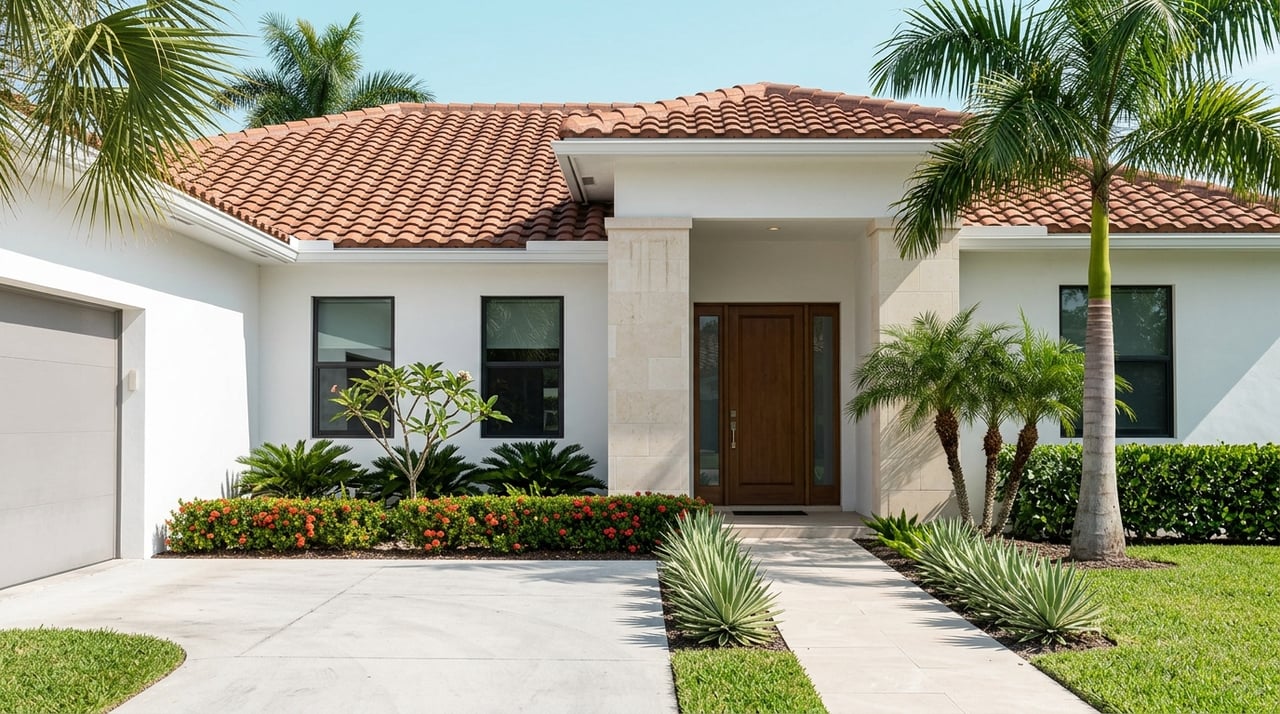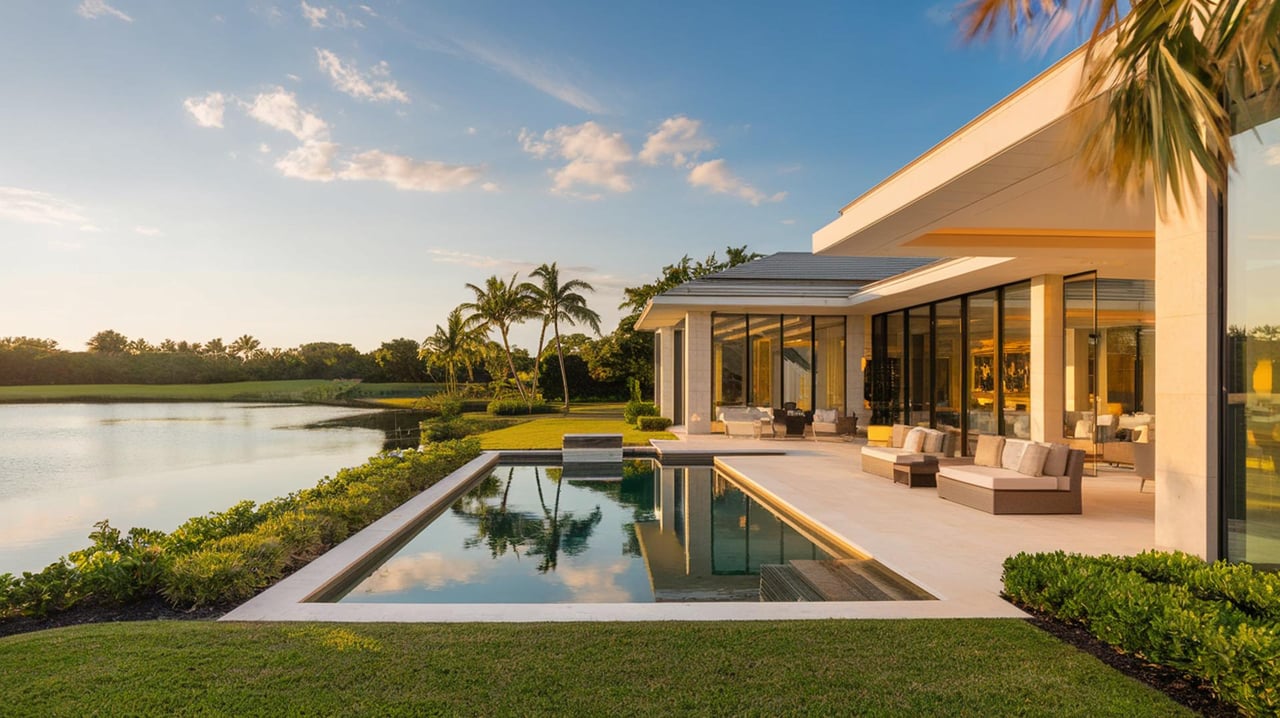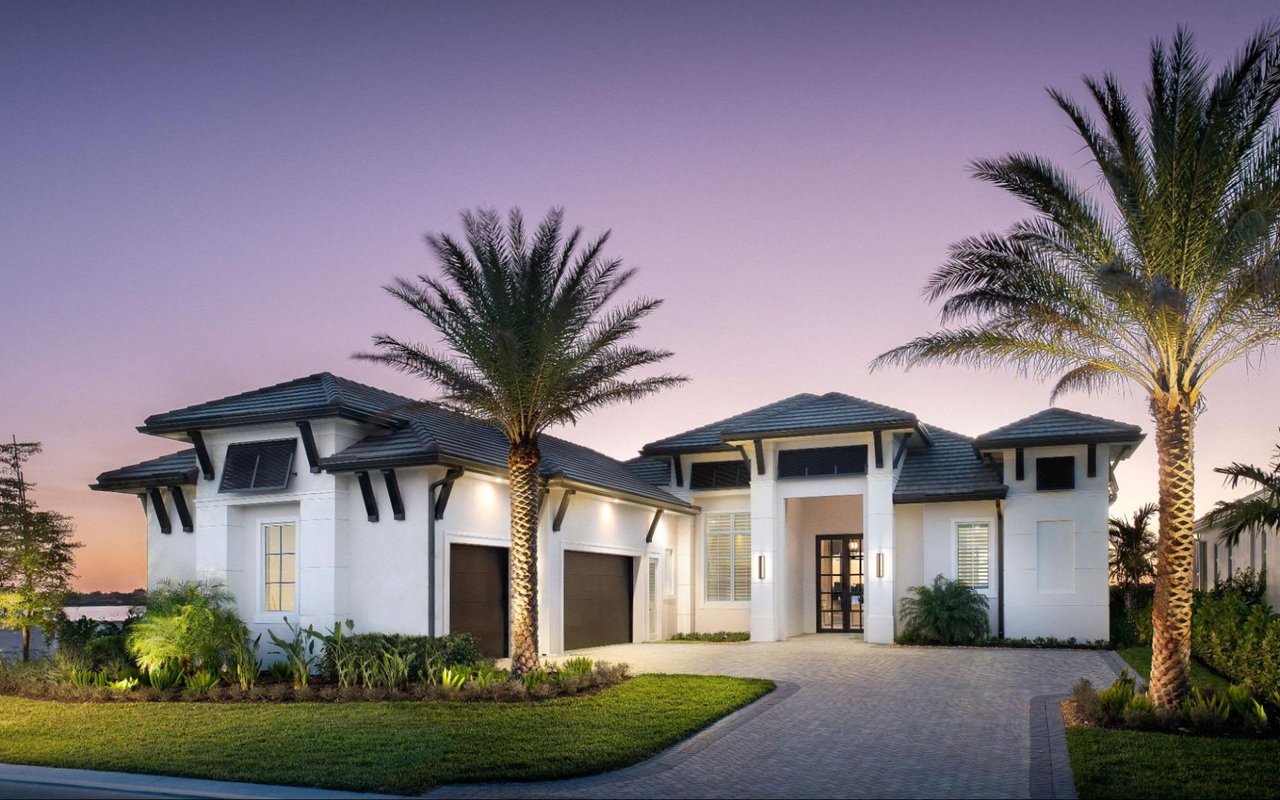
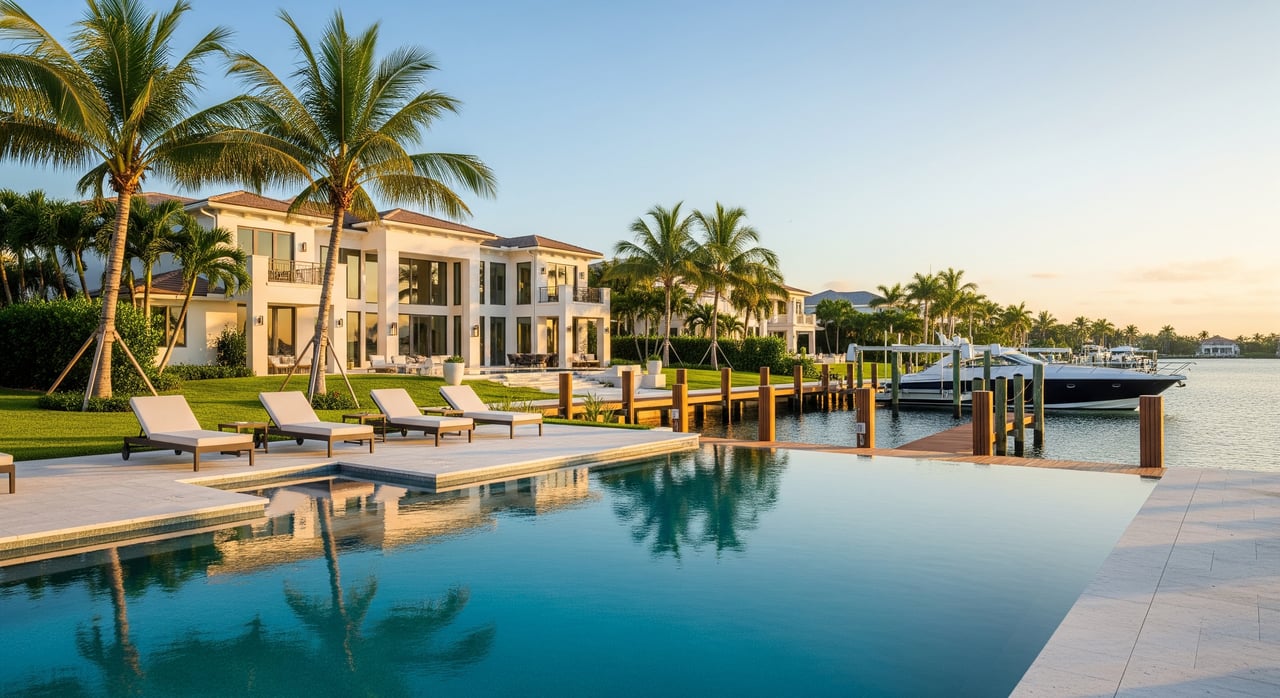
What makes one Miromar Lakes waterfront home sell faster and higher than another that looks similar on paper? It often comes down to the details you cannot see on a basic listing sheet. If you are buying or selling in this gated, lake-centered community, a smart valuation hinges on micro-location and how the property functions on the water, not just the interior finishes. In this guide, you will learn the factors that move prices most, how to compare homes by enclave, and practical steps to make better decisions. Let’s dive in.
The big three drivers
These three elements shape value more than anything else: usable water frontage, view quality, and functional boating access. When you understand them, you understand Miromar Lakes pricing.
Water frontage and lot geometry
Buyers pay for usable shoreline. Long, straight runs of waterfront typically command a premium over irregular or angled frontage because they allow easier dock placement and more private setback space. Point or pie-shaped lots can be prized if they expand sightlines and create a larger backyard envelope. Keep in mind that value does not rise in a straight line with every additional foot. At very long lengths, the per-foot premium can taper because the extra shoreline is less functional.
View quality and obstruction
Panoramic lake views usually price higher than narrow channel or canal perspectives. Distance to the opposite shoreline matters as well. If you look across to another home at a tight span, the perceived privacy can drop, and so does value. South and west exposures are often preferred for sunsets and breeze patterns. Landscaping that blocks sightlines or seasonal view changes can also nudge price up or down.
Functional water access and boating
Waterfront that you can enjoy from a boat is different from water you can only look at. Buyers place a strong premium on a property with a dock, lift capacity that matches local boat sizes, and navigable depth to move around the lake system. If a lot lacks practical boating capability, its value will be driven mainly by aesthetics and outdoor living, which prices differently than true boating properties.
Dock, seawall, and permits
Why permits and condition matter
Docks, lifts, and seawalls add value when they are permitted, compliant, and in good condition. Buyers are risk-aware. If there are questions about permits or if structural components look tired, the market will discount for the expected time and cost to address those issues. A seawall with visible bowing, spalling, or sinkholes invites scrutiny. A documented, well-maintained seawall does the opposite.
What to verify before you price
- Dock and lift permits and any approvals required by the community
- Seawall ownership and maintenance responsibility
- Age and service history of dock, lift motors, and seawall components
- Any outstanding violations or unpermitted work
Sellers reduce friction by organizing these documents in advance. Buyers should include professional evaluations and line-item repair estimates in their diligence.
Micro-location and enclave effects
Amenity proximity premiums
Miromar Lakes’ lifestyle amenities concentrate demand. Convenience to the marina, private beach access points, clubhouse, fitness, dining, or recreation areas can lift values because you spend less time in the car and more time enjoying the community. Homes within an easy walk or quick golf cart ride to key amenities often trade at a measurable premium.
Prestige, product mix, and privacy
Some enclaves set higher price floors due to newer construction, larger lots, or consistent high-end finishes. Others appeal for quieter settings or fewer passersby. Lots near main entrances or busy amenity nodes can experience more traffic and noise and may price at a discount relative to similar homes in more private pockets. Always compare homes within the same enclave or with a similar feel to avoid misleading comps.
Home quality and presentation
Interior and exterior presentation is the next major layer. A renovated kitchen and baths, impact-rated windows and doors, updated roof and HVAC, and organized storage all elevate perceived value. Outside, a well-designed pool, covered lanai, outdoor kitchen, and lighting extend the living space and help buyers picture the lifestyle. Turnkey condition reduces near-term capital needs, and buyers will pay up for that certainty.
Flood, elevation, and insurance
Flood zone designation and elevation affect both financing and carrying cost. Buyers respond to current insurance premiums and any required mitigation. Homes with elevation certificates, storm-hardy construction, and documented upgrades like impact glass and reinforced roofs often see stronger offers because they reduce exposure to risk and surprise costs.
HOA fees, rules, and rental restrictions
The community’s rules shape your buyer pool and total cost of ownership. Monthly or quarterly assessments, special assessments, and any limits on rentals or pets can influence demand. Some buyers value a well-funded association that maintains common seawalls and amenities. Others are fee-sensitive and will price that cost into their offers. Know the rules and the budget before you set or evaluate a price.
How to price by enclave: a simple framework
A defensible valuation starts with the right data and a consistent approach. Use this six-step process to compare apples to apples in Miromar Lakes.
1) Define the market subset
Start with true waterfront homes that offer shoreline rights or docking potential. Group by enclave or by micro-locations that share similar controls and perceptions, such as marina-facing or clubhouse-proximate pockets. Mixing enclaves with different standards or lot sizes can distort your results.
2) Time and property filters
Begin with sales from the past 6 to 12 months. If volume is thin, expand to 12 to 24 months. Match core property traits first: living area within about 15 to 20 percent, lot size within 20 percent, similar bedroom count, and comparable age or permit history.
3) Record waterfront-specific variables
For each comp, capture the data points that actually move waterfront pricing:
- Usable linear feet of waterfront
- View type and the distance across the water
- Dock and lift presence and permit status
- Seawall condition and age, if available
- Functional boat access versus restricted access
- Flood zone note and elevation certificate, if available
- Proximity to the marina and clubhouse
- Major recent updates and whether they were permitted
4) Adjust methodically
Use adjustment tiers when the data is thin:
- Major: frontage differences, open versus obstructed views, dock and boating access, serious permitting issues, flood zone or elevation gaps
- Moderate: pool and lanai quality, high-end kitchen and bath upgrades, closeness to key amenities
- Minor: landscaping, light cosmetic condition, small square footage differences
If you test a per-foot premium, check for diminishing returns at very high frontage lengths. In low-volume micro-markets, qualitative adjustments with clear notes are often more credible than rigid formulas.
5) Validate with active and pending listings
Compare your adjusted findings to current actives and recent pendings. Asking prices show where sellers aim. Pendings reveal what buyers are actually tolerating right now.
6) Document assumptions
For every adjustment, write down the why. Examples include: permitted 30-foot dock and lift versus none, open lake view versus narrow canal view, or a discount for an older seawall showing distress. Clear notes help you defend your price.
For sellers: steps to maximize price
- Eliminate risk questions. Gather dock and seawall permits, recent service records, and any approvals. Update or obtain an elevation certificate if you have one on file.
- Focus on presentation that sells waterfront. Capture professional photos from the water and from the air. Highlight usable waterfront footage, dock capacity, and how close you are to the marina or club.
- Prioritize high-impact updates. If the kitchen, baths, roof, windows, or pool surface need attention, targeted upgrades can pay off when comps confirm buyer preferences. Consult a local broker before you invest.
- Stage for the lifestyle. Define outdoor rooms, clean up shoreline edges, and light the lanai and pathways so twilight showings feel magical.
- Price with micro-location in mind. Point lots, panoramic exposures, and short walks to primary amenities deserve premium positioning.
For buyers: due diligence and negotiation
- Clarify what “waterfront” means in your contract. Confirm shoreline rights, docking rules, and any limits on boat size or draft.
- Inspect dock, lift, and seawall closely. Order professional evaluations and line-item estimates for any near-term work.
- Get insurance quotes early. Use flood zone and elevation details to understand premiums and lender requirements.
- Model total cost of ownership. Include HOA dues, marina fees, assessments, and expected insurance when you form your offer.
- Use common levers. Consider credits for seawall or dock repairs, price adjustments for unpermitted work, and contingencies tied to insurability or elevation results.
Putting it all together
In Miromar Lakes, pricing power lives at the shoreline. Usable frontage, open views, and functional boating access lead the way. Condition and permitting of docks and seawalls either reinforce that value or chip away at it. Inside the home, turnkey presentation helps you win head-to-head against similar waterfront. Finally, enclave context and amenity proximity shape the baseline. If you build your comparisons around these factors and document your assumptions, you will make clearer, more confident decisions.
If you want expert help evaluating a specific enclave or positioning your home for maximum impact, reach out to the Waterfront Lifestyle Group. We blend luxury marketing with development-aware analysis to get you the right result.
FAQs
How frontage affects Miromar Lakes pricing
- Frontage is a top value driver, but the premium depends on usable shoreline, view quality, and whether you have functional boating access. Per-foot value is not linear at very high lengths.
Whether docks and boat lifts increase value
- Permitted, functional docks and lifts materially improve marketability and price. Unpermitted or poor-condition docks introduce risk and usually reduce value.
Impact of being near the marina or clubhouse
- Convenience to primary amenities often commands a measurable premium because it enhances daily life. The exact premium varies by buyer preferences and enclave norms.
If you should add a pool or outdoor kitchen before selling
- Targeted outdoor living upgrades can pay off when local comps show strong buyer preference. Get localized advice before committing to a project.
How flood zones influence offers in Miromar Lakes
- Flood zone and elevation drive insurance costs and lender requirements. Buyers discount offers to account for higher premiums or mitigation; documented elevation and storm-hardy features can offset that.
Whether assessed values are useful for pricing
- Assessed values provide baseline context but lag the market. Rely on recent MLS comps and an enclave-specific analysis for accurate pricing.